Microsoft says its new multi-model agentic security system found 16 Windows vulnerabilities
Microsoft’s Security Blog describes MDASH, a harness orchestrating 100+ AI agents across multiple models to discover and prove exploitable bugs.
The company says it now supplies datasets across images, video, and 3D content to large model makers.
Anthropic’s Claude Opus 4.7 is a frontier model aimed at complex technical work and agentic coding, with API availability and prompt caching / batch discounts.
Microsoft’s Security Blog describes MDASH, a harness orchestrating 100+ AI agents across multiple models to discover and prove exploitable bugs.

Engadget rounds up Google’s Android Show announcements, including deeper Gemini integration across Android and ChromeOS and a new ‘Googlebooks’ laptop lineup.

Community Bank said an unauthorized AI app led to exposure of customers’ personal data, prompting disclosure after it detected the issue.
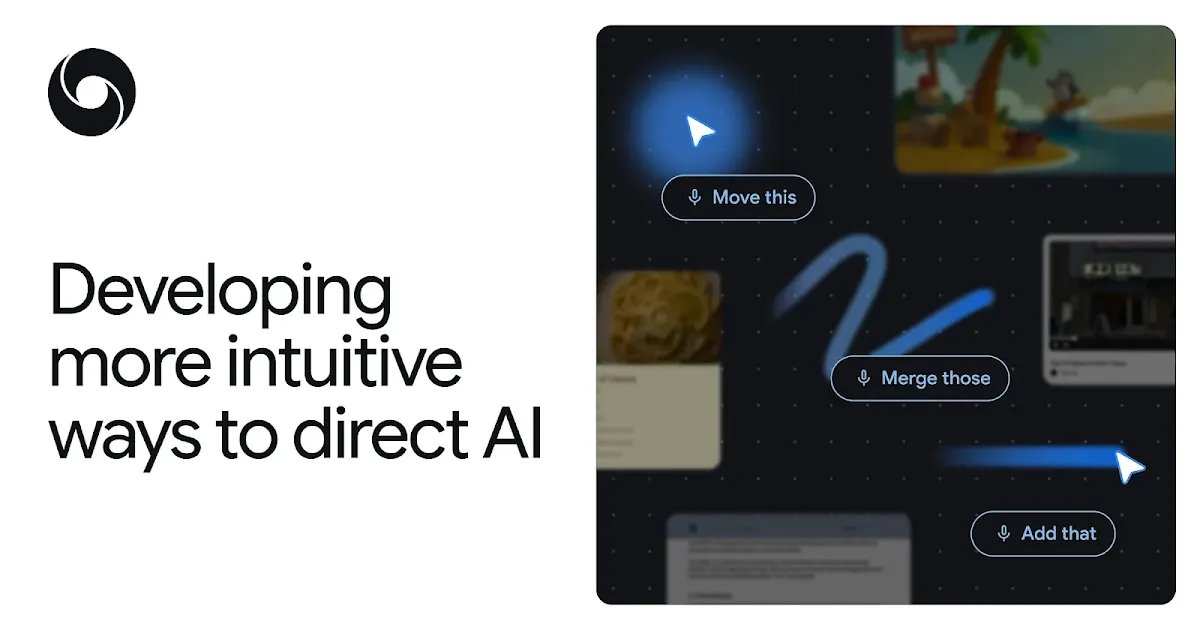
DeepMind outlines interaction principles and shows experimental demos where a pointer can select on-screen elements and invoke Gemini without switching contexts.

Google says it may have found the first known case of cybercriminals using AI to identify and exploit an undisclosed zero-day flaw.
OpenAI added new Realtime API capabilities for voice conversations, live transcription, and translation, including a new GPT‑Realtime‑2 model.
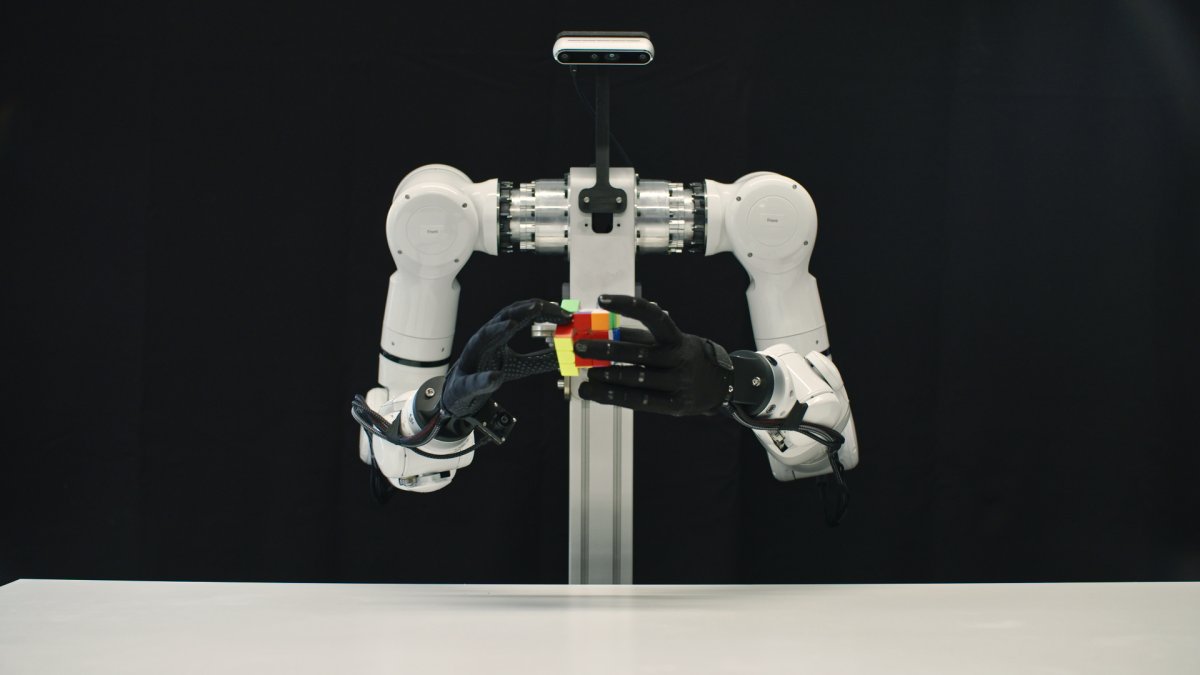
The $105M-seed startup unveiled its first robotics foundation model, GENE-26.5, alongside its own human-sized robotic hands and data-capture hardware to speed training and evaluation.
Security researchers at Mindgard told The Verge they used flattery and social manipulation to get Anthropic’s Claude (Sonnet 4.x) to produce restricted content without directly asking for it.
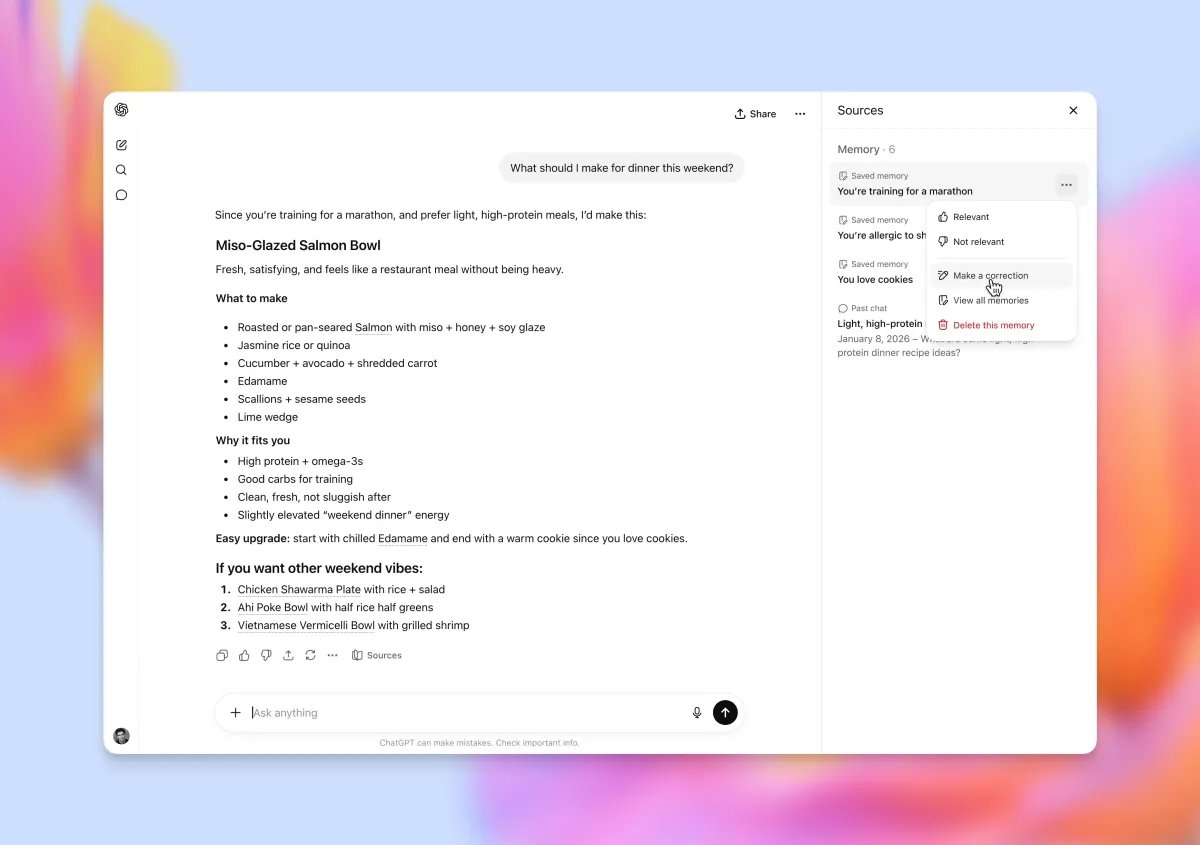
OpenAI says the new default ChatGPT model reduces hallucinations in sensitive domains while keeping low latency, and it’s also available via the API as “chat-latest.”
The experimental tool that could complete tasks across the web has been discontinued, with pieces folded into other Google offerings.

Some Chrome on-device AI features can trigger a multi‑gigabyte Gemini Nano model download, surprising users on low-storage machines.
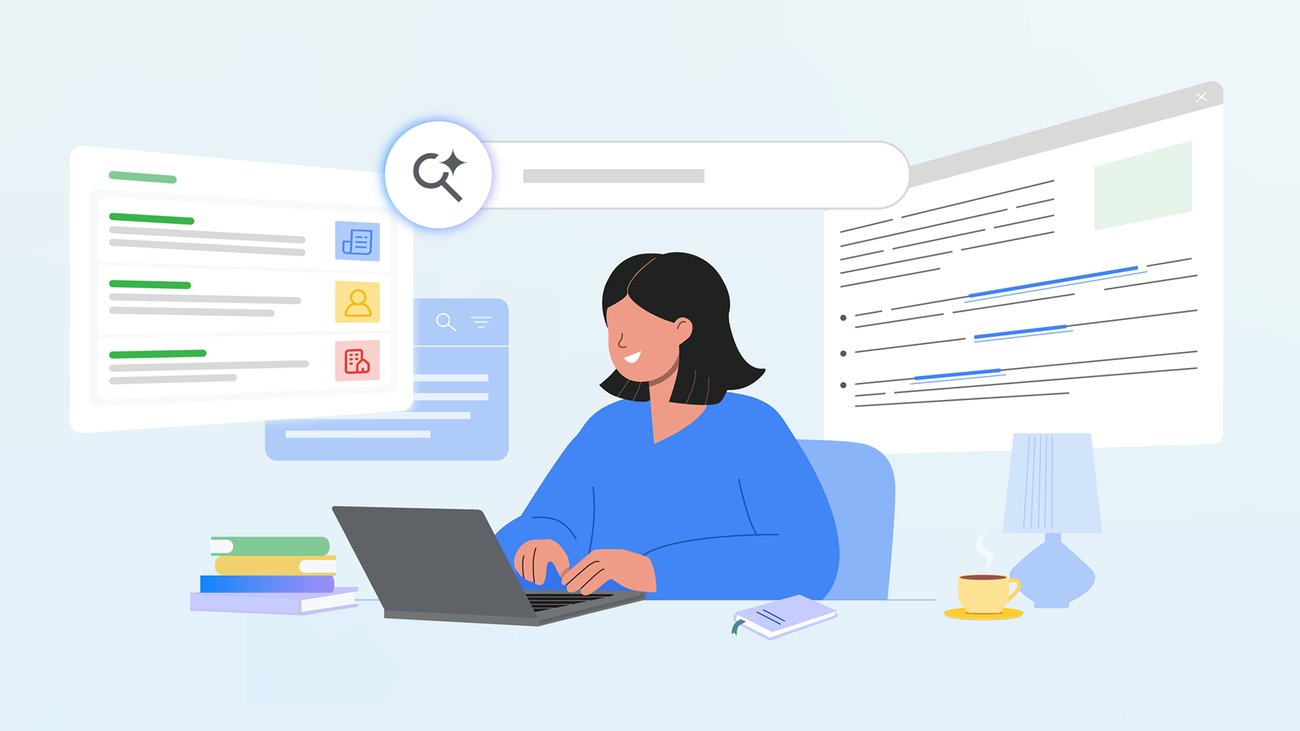
Google says it’s updating AI Mode and AI Overviews to surface more links inline, highlight subscription content, and add link previews and community perspectives.
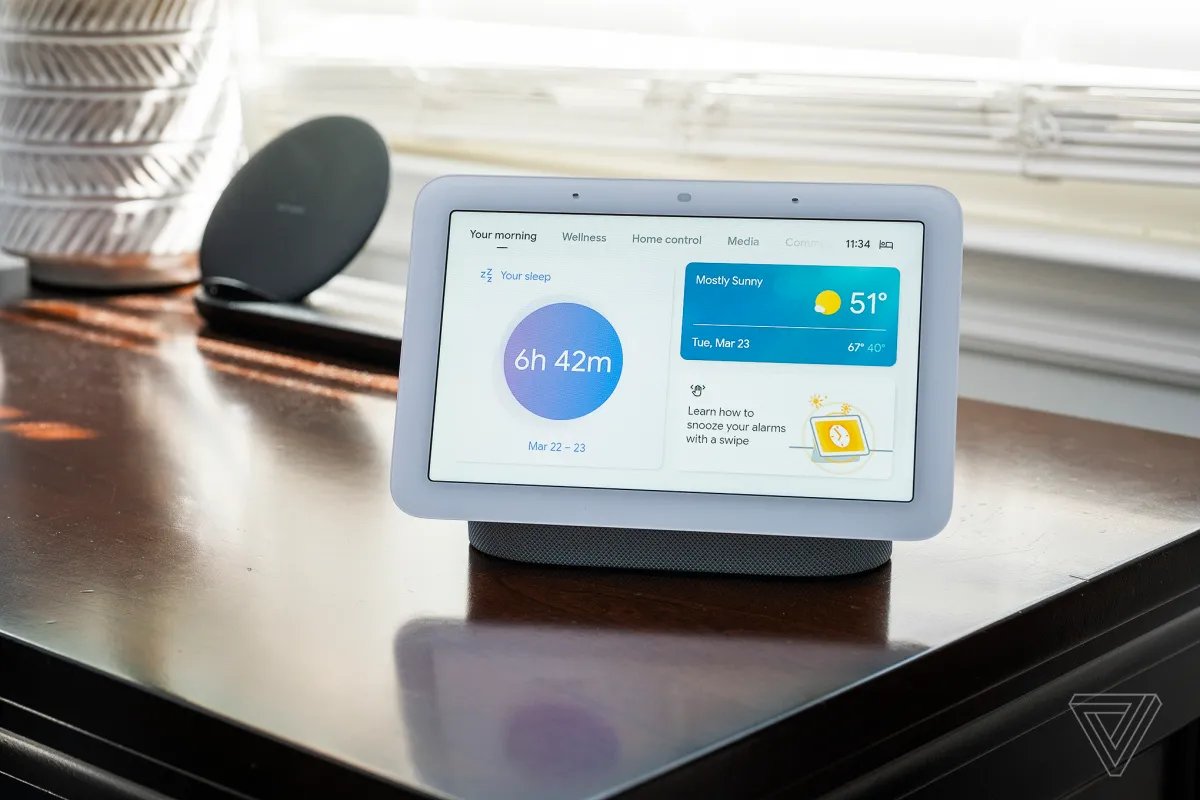
Google is upgrading Google Home with Gemini 3.1 to better handle multi-step commands, alongside new automation and camera features.
TechCrunch says Samsung shares jumped on surging AI-driven demand for high-bandwidth memory (HBM), lifting the company past the $1 trillion mark.
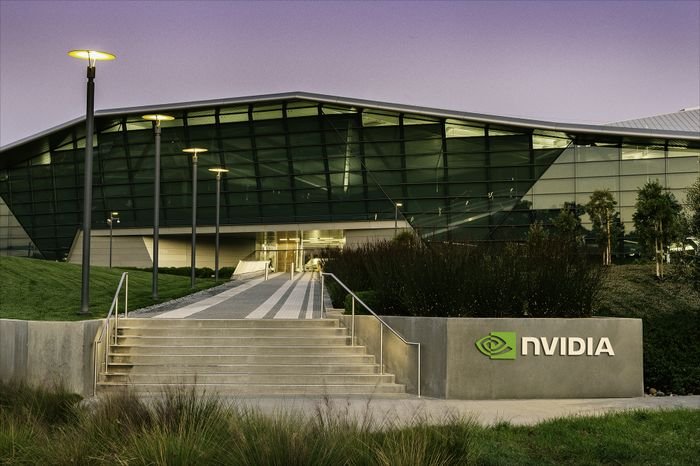
Corning plans major U.S. capacity expansions for optical connectivity and fiber needed in large AI clusters.
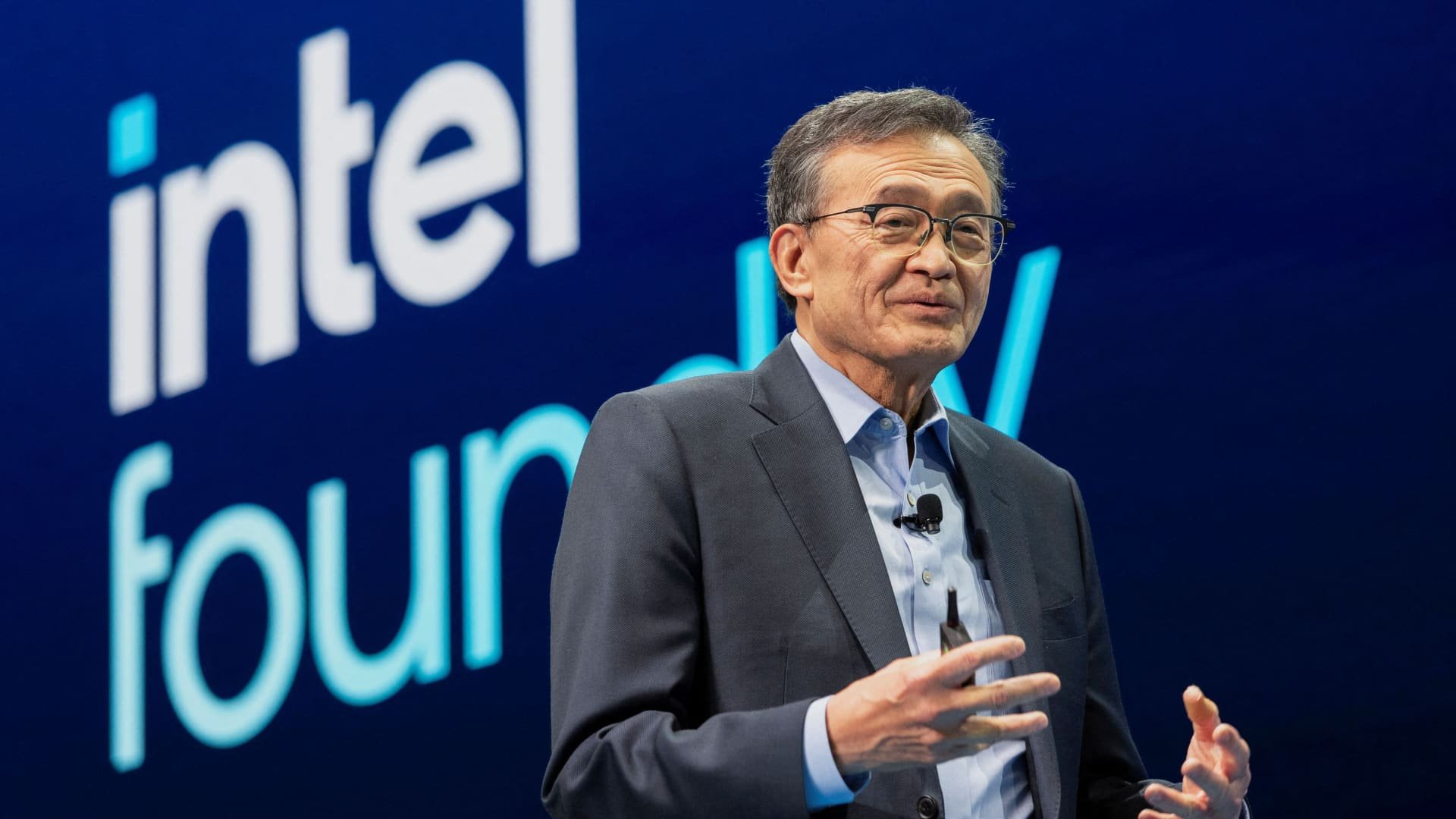
CNBC says Intel shares rose 114% in April — the best month in the chipmaker’s Nasdaq history — as investors rallied behind a turnaround story and growing AI-driven demand for CPUs and data-center capacity.
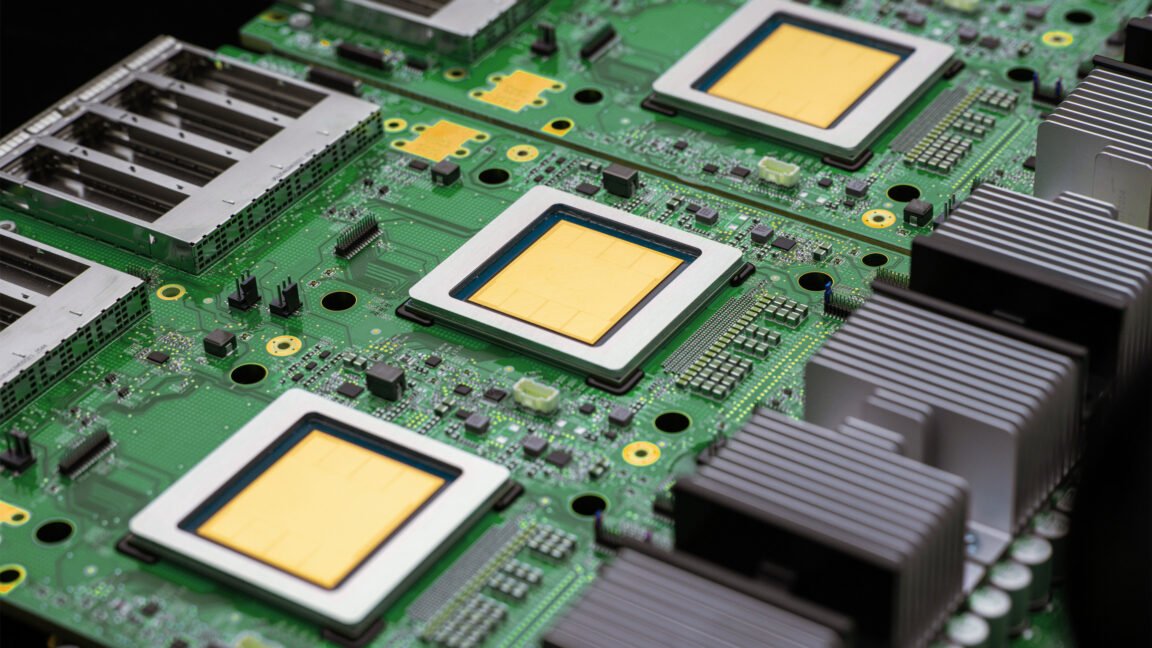
The company says the new TPU designs target faster frontier-model training and improved efficiency across the AI lifecycle.
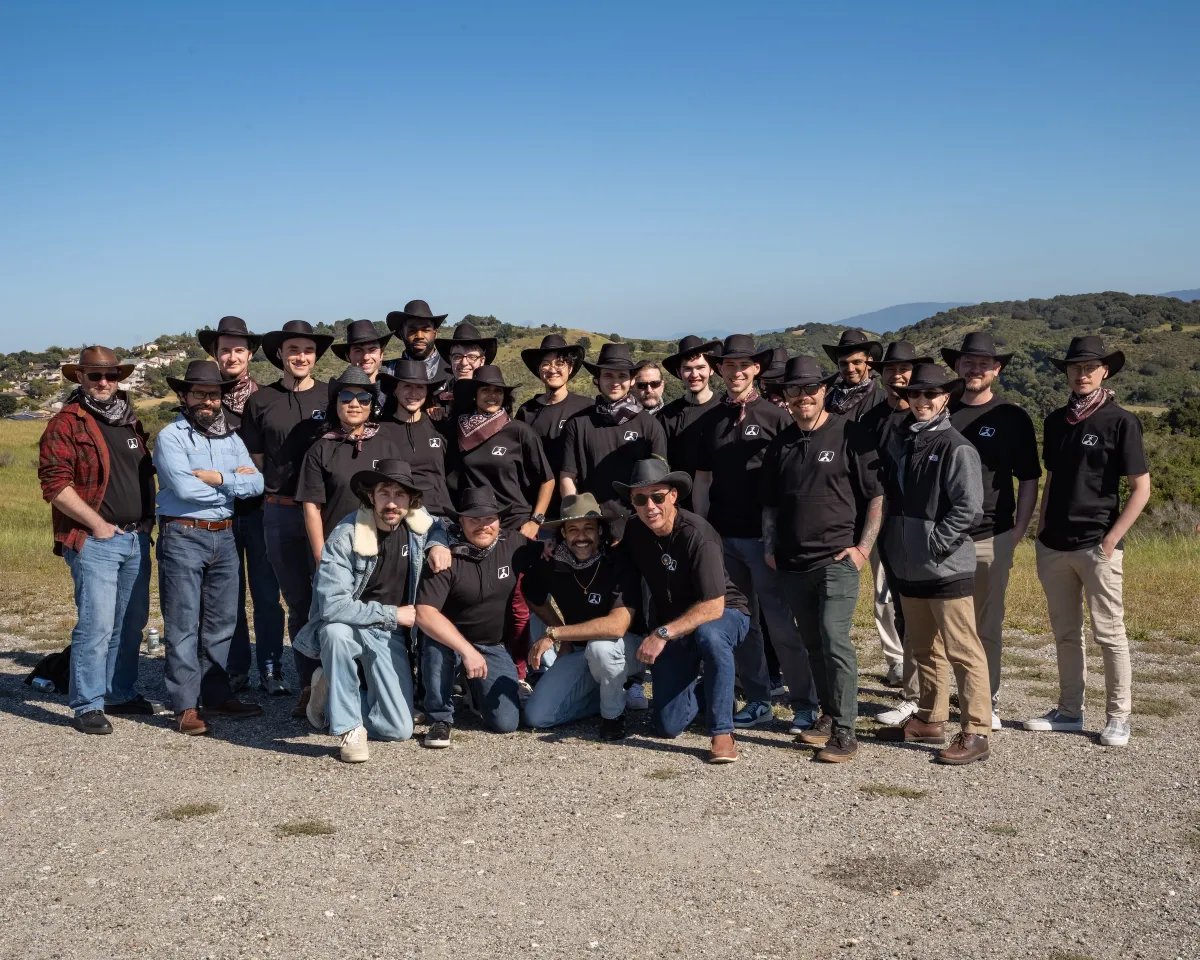
Cowboy Space says it raised a $275M Series B to pursue orbital data centers — and decided it needs to build its own rockets to scale.

Cloud provider Nebius is acquiring 20-person startup Eigen AI, which optimizes chip performance for running (not training) AI models.

Nvidia’s NVentures joined a Series D extension for Legora, which sells agent-style tools for legal workflows and says it has surpassed $100M in ARR.

The app blends human group conversations with user-created AI ‘Shapes’ designed to participate alongside friends.
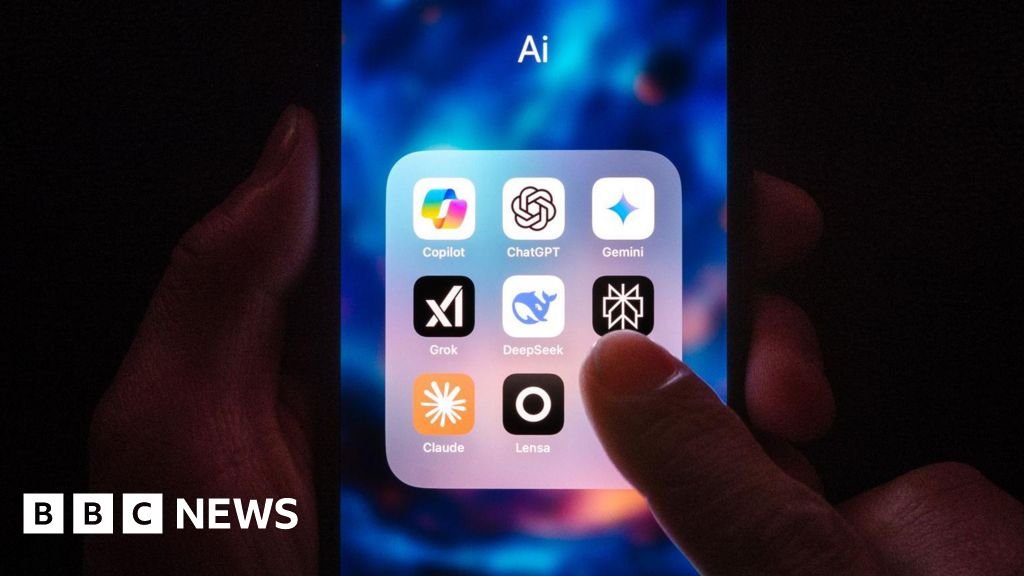
The US Commerce Department will evaluate certain new AI tools and features ahead of public release under voluntary agreements with the companies.
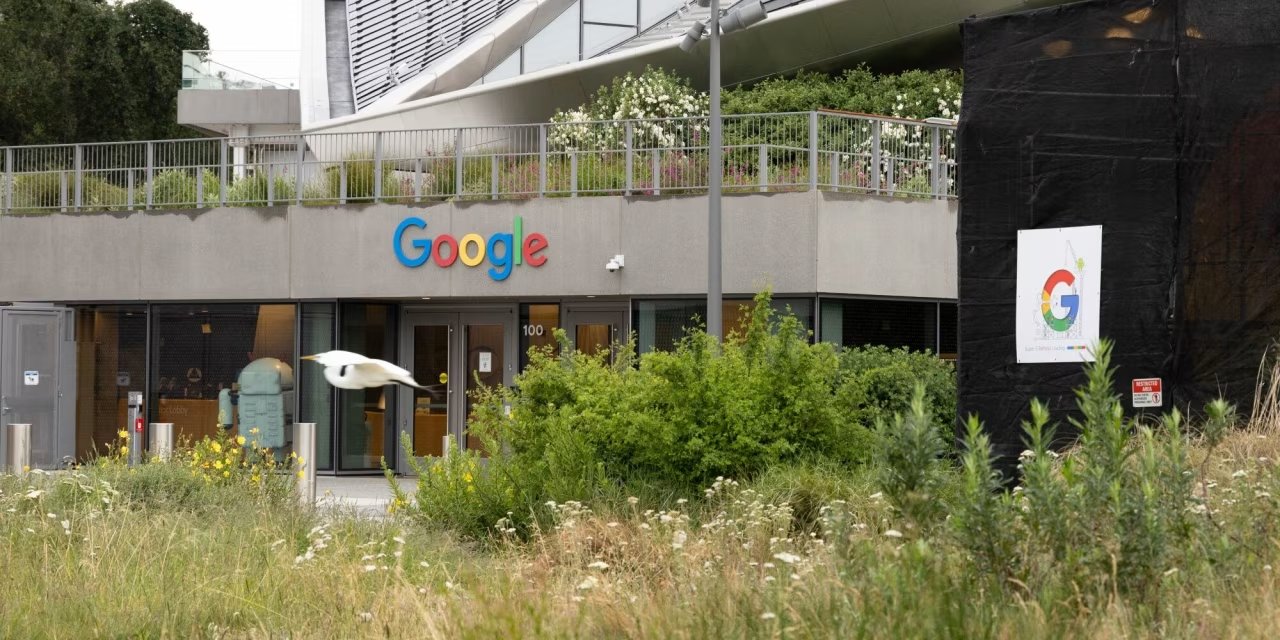
The Wall Street Journal says the companies will provide early versions for government-led testing of capabilities and risks before public release.

Report says officials are weighing AI oversight measures and priority government access to frontier models.

The Commerce Department’s CAISI says it will conduct pre-deployment evaluations and targeted research with major AI labs to better understand advanced model capabilities.
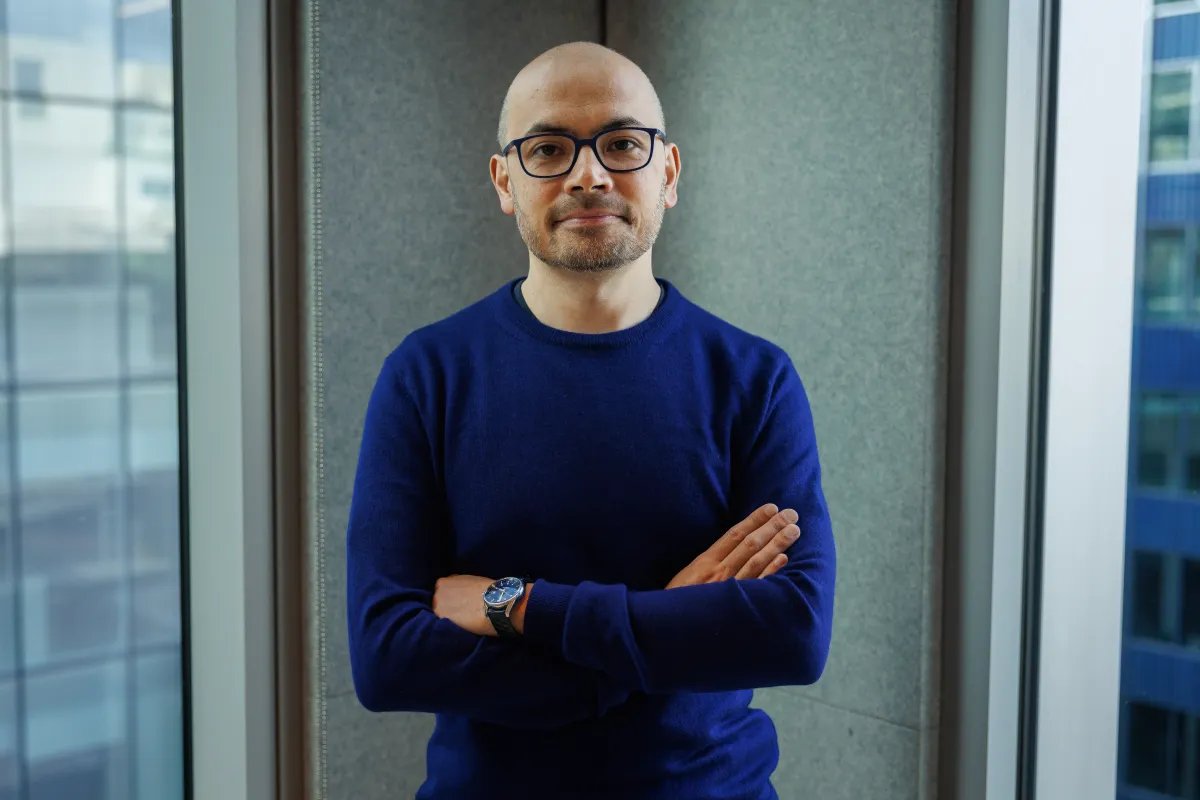
A look at how Demis Hassabis and Google DeepMind shaped early OpenAI anxieties and strategy, via documents and testimony from the Musk–Altman trial.

The UK’s National Cyber Security Centre warns AI-driven bug discovery could trigger a wave of vulnerabilities that overwhelms patch capacity.
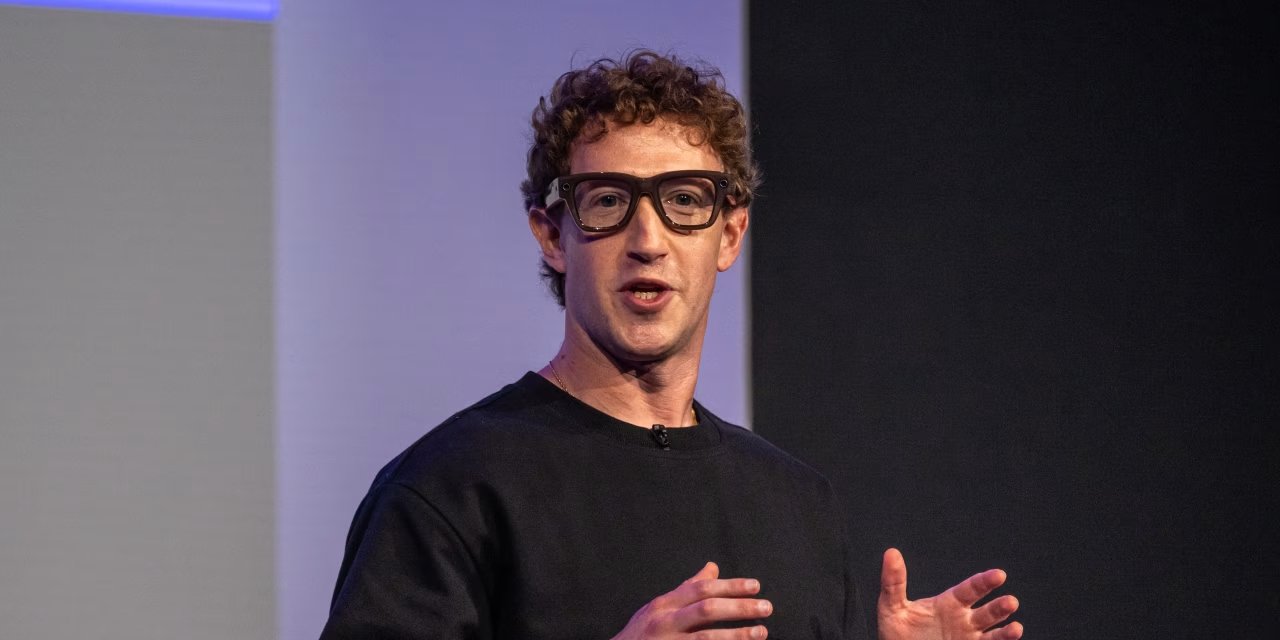
The Wall Street Journal argues that Microsoft, Amazon, Meta, and Alphabet are ramping capital spending for AI fast enough that depreciation is starting to bite, raising pressure to translate AI demand into durable profit.

A City Hall report estimates more than a million London jobs are significantly exposed to AI-driven task automation.