AI
Anthropic tightens limits on Claude subscriptions
Axios says the change underscores how agent-style usage can overwhelm ‘all-you-can-eat’ subscription models.
Coverage of Anthropic, the Claude model family, and CEO Dario Amodei.
41 stories · Updated 2026-05-14
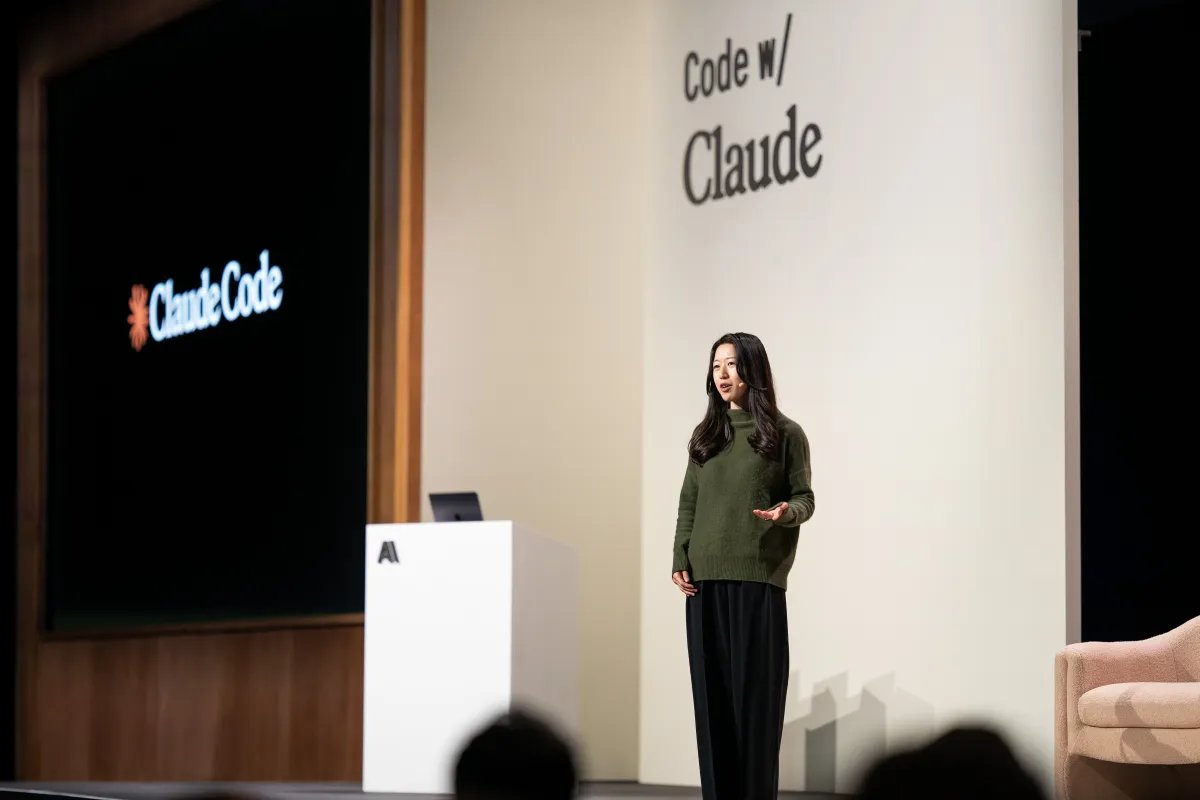
In a TechCrunch interview, Wu says Claude should move from reactive chat to understanding workflows and setting up automations.
Security researchers at Mindgard told The Verge they used flattery and social manipulation to get Anthropic’s Claude (Sonnet 4.x) to produce restricted content without directly asking for it.
The Commerce Department’s CAISI says it will conduct pre-deployment evaluations and targeted research with major AI labs to better understand advanced model capabilities.
Axios reports the White House is considering a larger federal role in assessing frontier models, while also exploring ways to use Anthropic models despite Pentagon risk labeling.
Defense Department greenlights several vendors for classified AI work while sidelining Anthropic over supply-chain concerns.
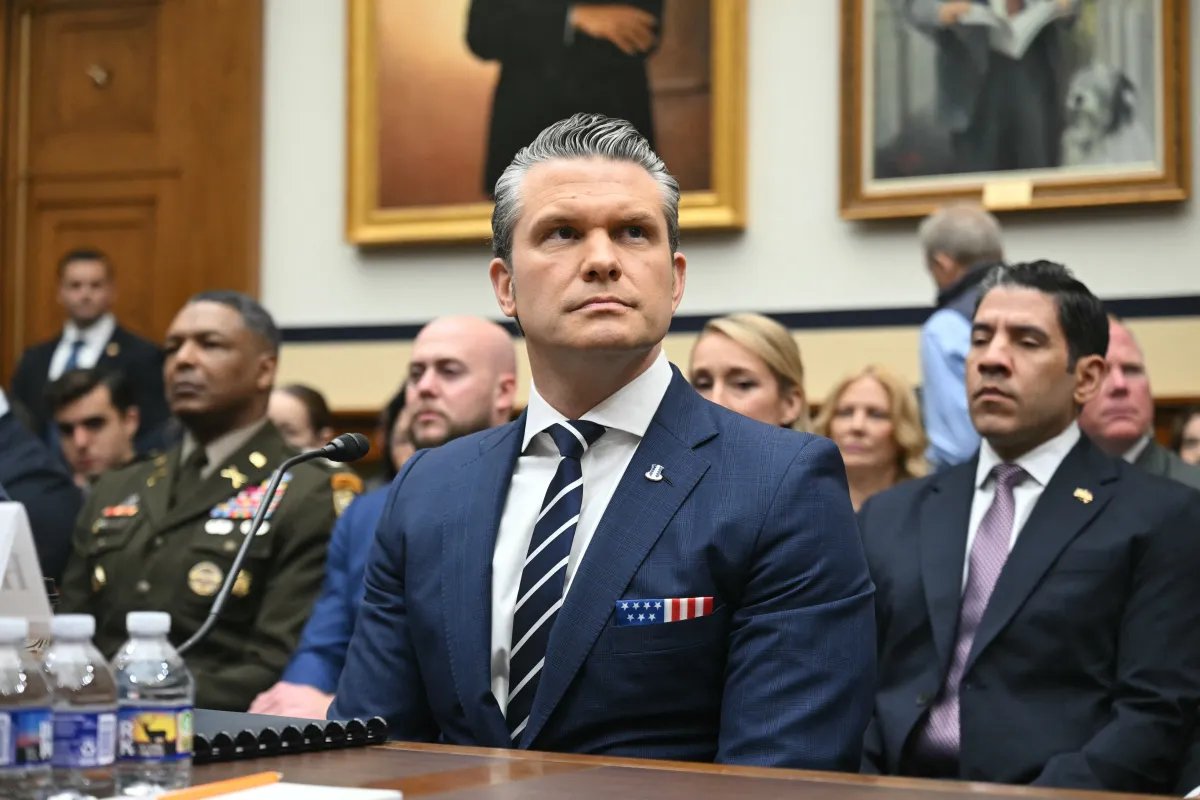
The Defense Department says the partnerships will expand access to AI tools inside secure networks via GenAI.mil, as Washington accelerates AI adoption across operations.
A new contract expands Google’s AI availability on classified networks, following Anthropic’s push for tighter guardrails.
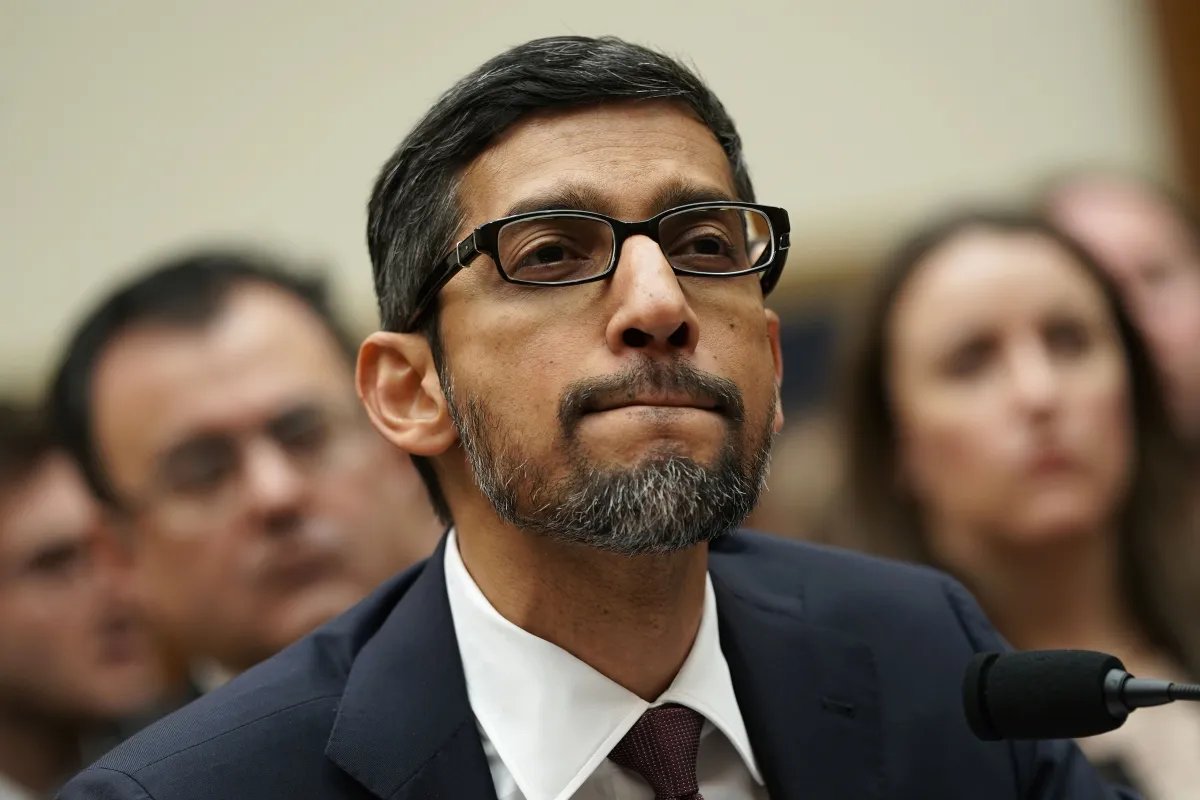
Alphabet will inject $10 billion immediately at a $380 billion valuation, with $30 billion more contingent on Anthropic hitting performance benchmarks.
The Chinese AI lab's V4 Pro model tops 1.6 trillion parameters, claims near-parity with frontier models on reasoning, and costs a fraction of GPT-5.5 or Claude Opus.
Three separate engineering changes between March and April caused Claude Code users to experience forgetfulness, repetition, and reduced coding intelligence — issues that persisted for weeks before all were resolved on April 20.
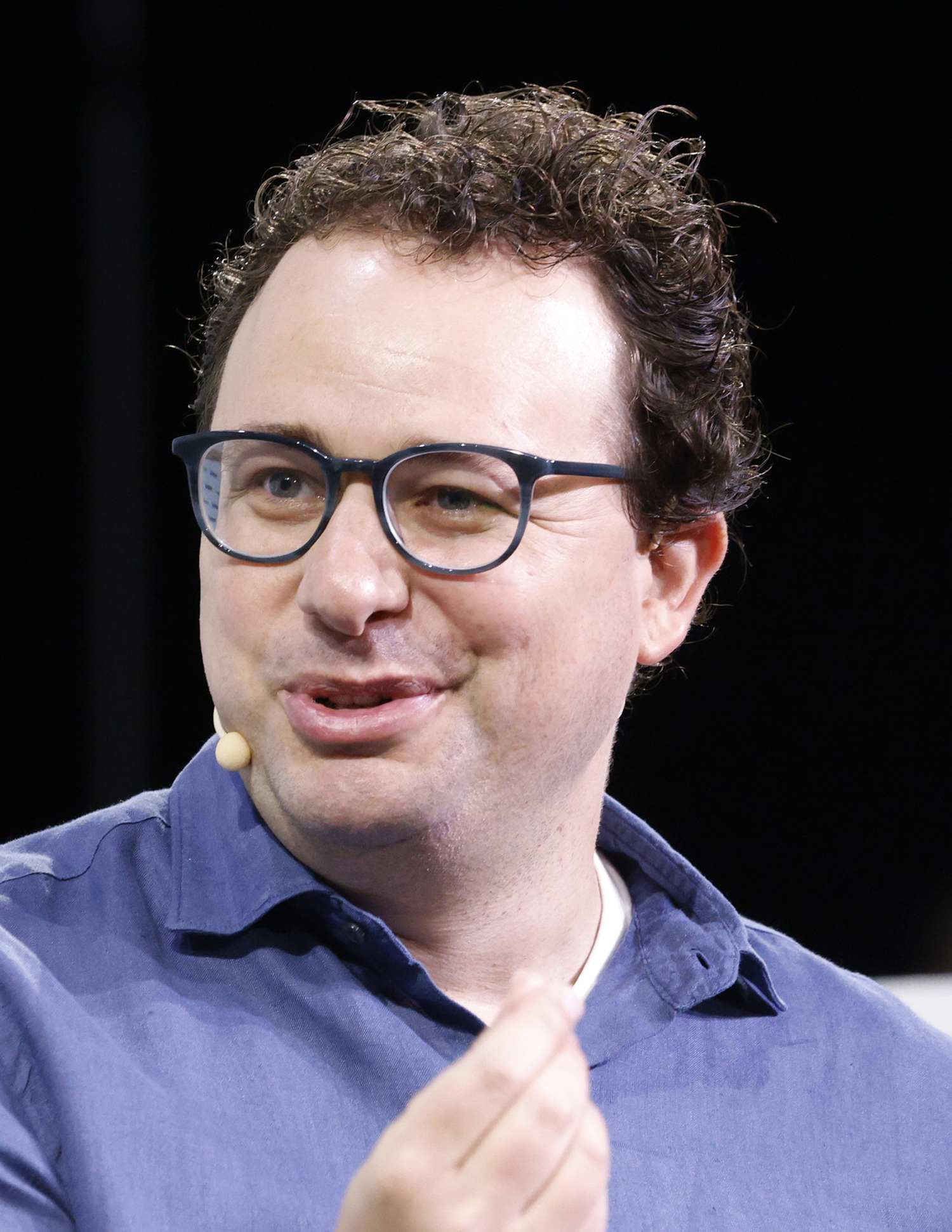
The Codex-powered agents run continuously in the cloud, integrate with Slack and Salesforce, and allow organizations to share and schedule automated workflows across teams.
The company held a Washington event for roughly 50 cyber defense practitioners and is extending access to its GPT-5.4-Cyber model through a tiered program designed to keep advanced tools out of adversarial hands.
At its annual Las Vegas conference, Google consolidated its AI products under a unified enterprise agent brand and announced a $750 million fund to help cloud partners sell AI agents to businesses.
The sweeping new deal with Amazon, which builds on $8 billion in prior investment, turns Anthropic into one of Amazon's most significant cloud and chip customers alongside its role as a portfolio company.
The deal includes a $5 billion upfront commitment plus $20 billion tied to milestones, and requires Anthropic to spend $100 billion on AWS over the next decade.
The new model variant imposes fewer restrictions on vulnerability research and analysis than standard GPT models, giving approved security vendors and researchers a more capable tool for defensive cyber operations.
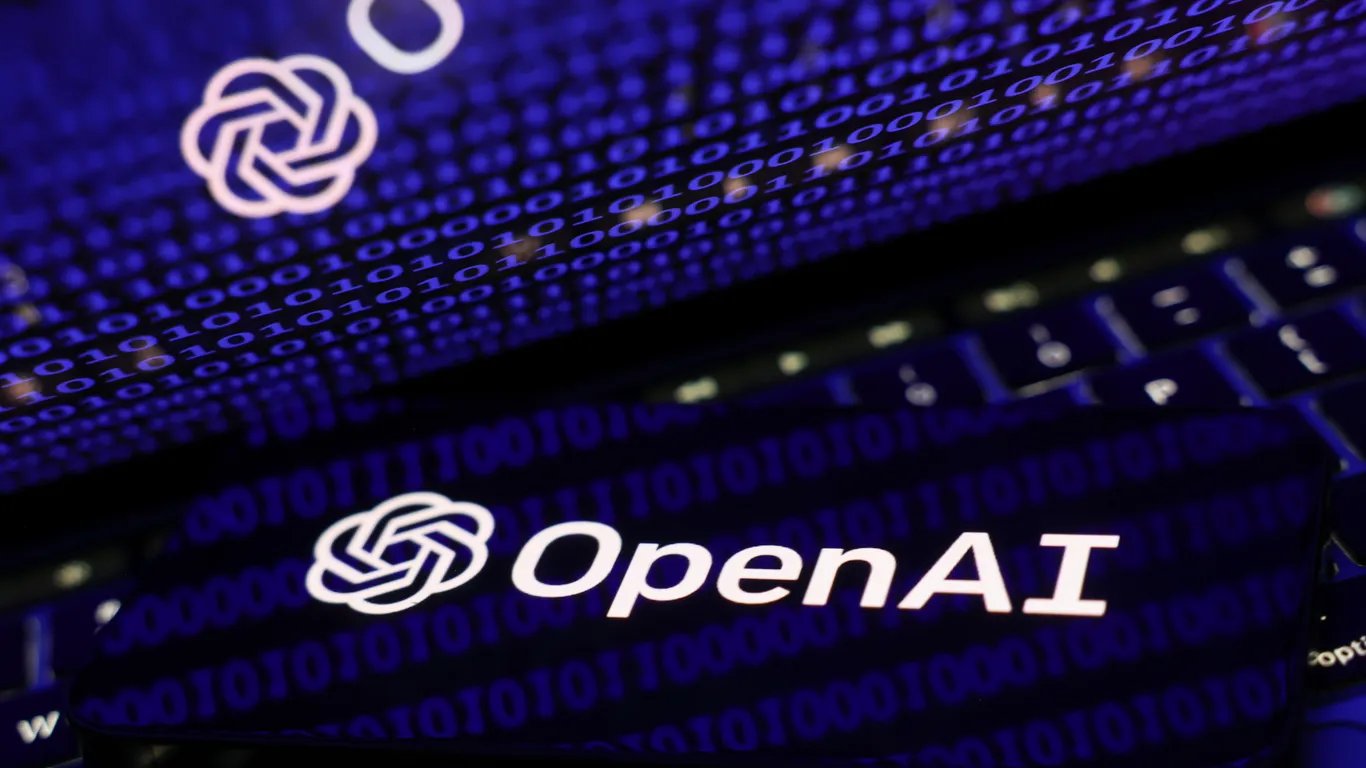
Federal regulators and senior officials, including Federal Reserve Chair Jerome Powell, privately cautioned bank CEOs about the potential dangers of Anthropic's restricted frontier model, as JPMorgan and Morgan Stanley were permitted to test it for defensive security purposes.
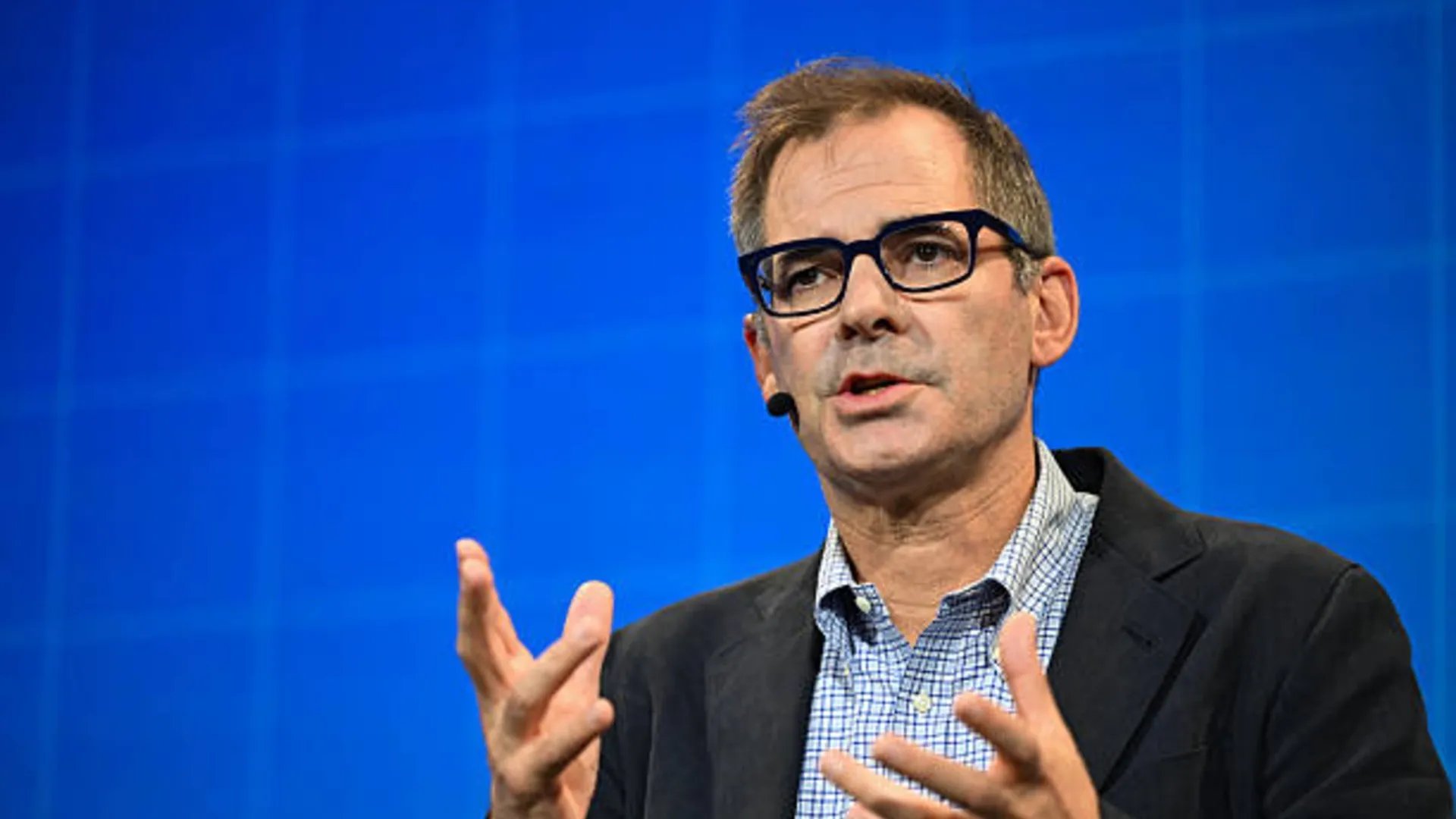
Taiwan's chip giant posted revenue of NT$1.13 trillion for Q1 2026, a 35 percent year-over-year rise, setting the stage for a formal earnings report on April 16 expected to confirm a fourth straight quarterly record.
The agreement gives Anthropic a new tranche of Nvidia-powered data center capacity in the US, as demand for Claude continues to surge past a $30 billion annual run rate.
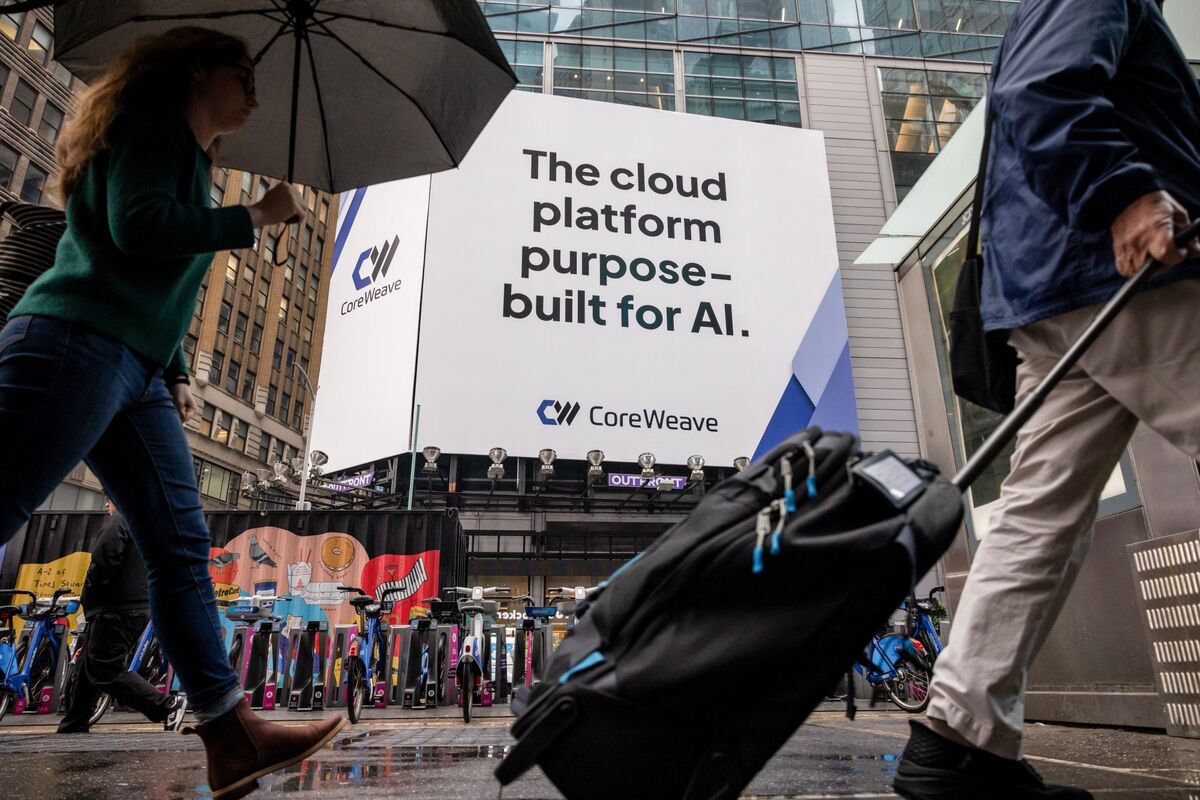
The surge in installs suggests Muse Spark may have revived consumer interest in Meta's AI product, which has lagged well behind ChatGPT, Claude, and Gemini.
Wired's analysis finds the model represents a genuine qualitative leap over Llama 4, but Meta's shift away from open-source by default marks a strategic inflection point worth watching.
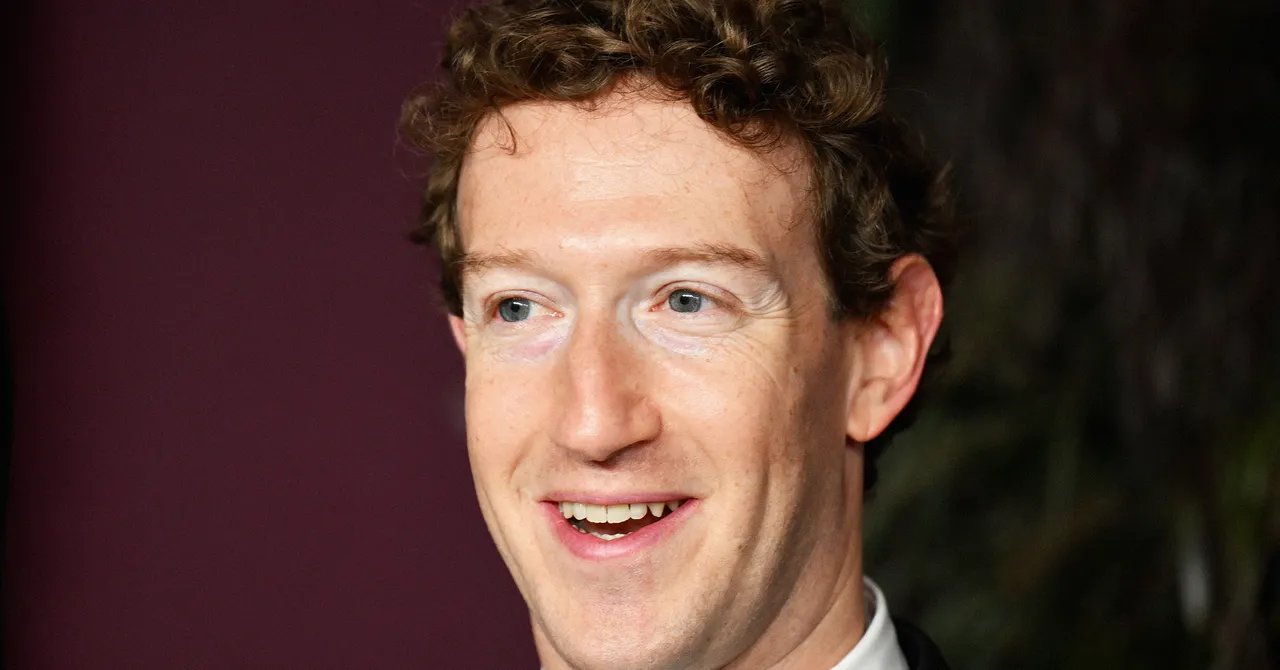
Built from scratch by the team Zuckerberg assembled after being disappointed by Llama 4, Muse Spark benchmarks favorably against models from OpenAI, Anthropic, and Google in early evaluations.
The restricted AI model can autonomously find critical vulnerabilities across major operating systems and browsers — and Anthropic is keeping it locked away from the public for safety reasons.

The three competing AI labs are sharing intelligence to detect adversarial distillation — a practice where foreign actors extract proprietary capabilities from frontier models without authorization.
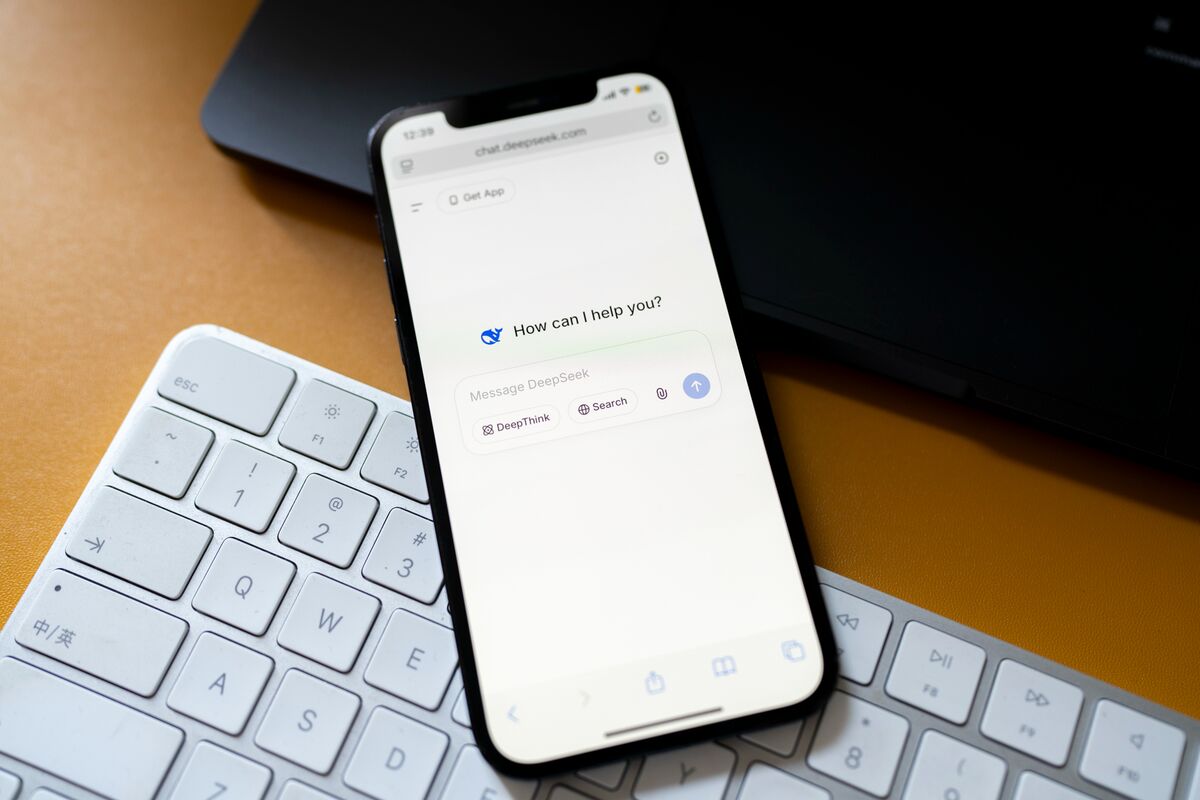
The policy change, effective immediately, cuts off users from applying their Claude subscriptions to popular external AI agents, reshaping the indie tool ecosystem built around Claude.
The acquisition accelerates Anthropic's push into life sciences, adding a ten-person team of computational drug discovery veterans to its health division.
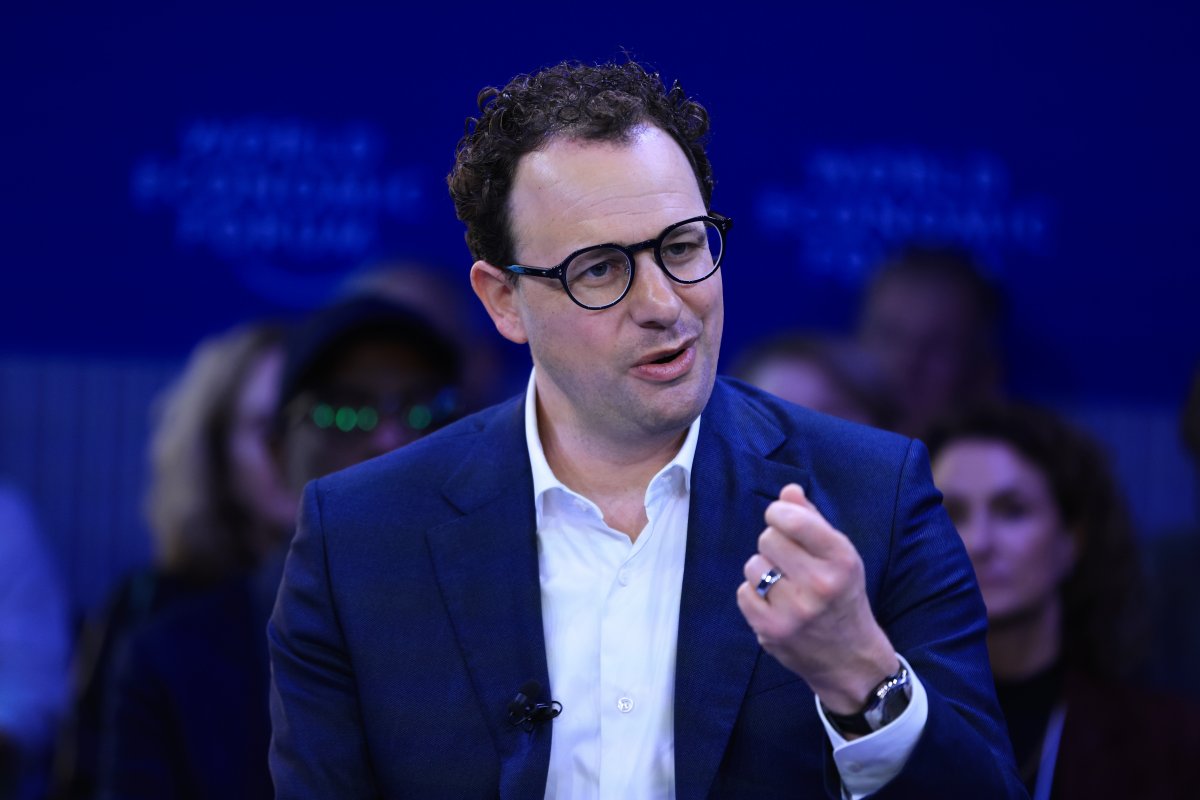
Four mega-deals — OpenAI, Anthropic, xAI, and Waymo — accounted for 63% of a quarter that smashed every previous record by a factor of 2.5 over the prior quarter.
A misconfigured npm release exposed the full agentic harness behind Claude Code — Anthropic's second significant security lapse in a week — revealing features flagged for imminent launch.

Google's monthly Gemini update lets users import chat history from rival AI apps and introduces a new audio model fast enough to sustain real-time conversation in over 200 countries.
From Anthropic's Pentagon battle to the data center construction boom and hardware price inflation, a roundup of the defining AI narratives through mid-March finds the industry at a pivotal inflection.
Silicon Valley is watching closely as the first-ever supply-chain risk designation against a US domestic company tests whether the executive branch can penalize firms for their AI safety positions.
The deal brings automated red-teaming and vulnerability detection into OpenAI's Frontier enterprise platform, used by more than a quarter of Fortune 500 companies.
The Claude maker filed two federal complaints challenging the DOD's unprecedented blacklisting of an American AI company, citing First Amendment violations.
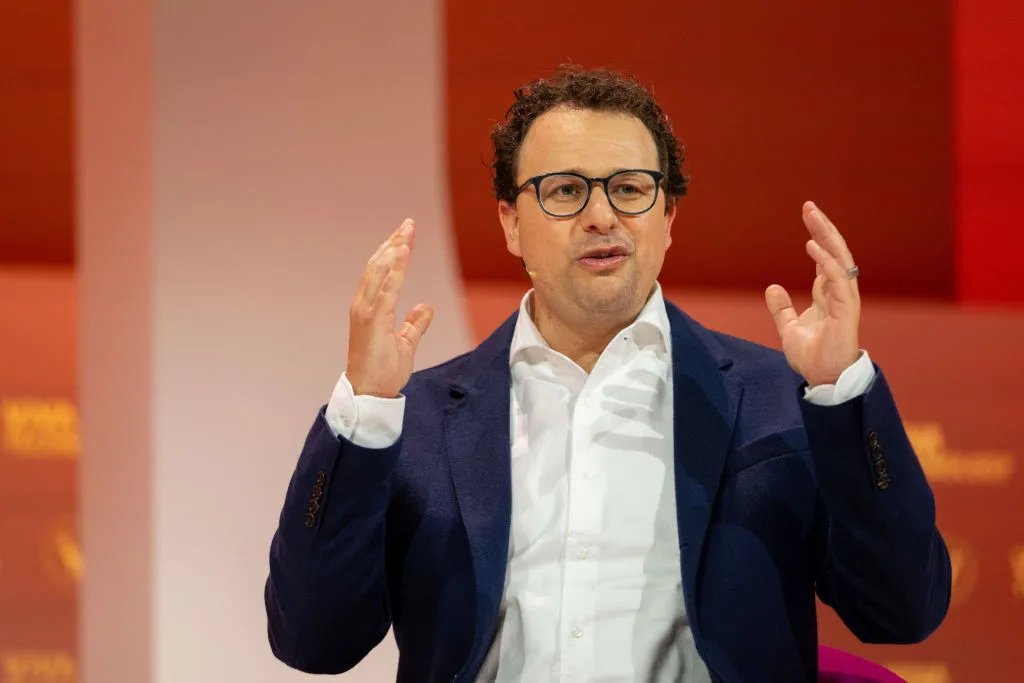
The Register's analysis argues OpenAI's CEO endorsed Anthropic's position in the morning and signed a $200 million DoD contract the same evening — with none of the same protections.
The update to ChatGPT's default model targets tone and conversational flow, reducing unsolicited emotional reassurances that frustrated users for months.

After announcing its DoD partnership on Friday, OpenAI revised the agreement to explicitly bar use of its AI for mass surveillance of American citizens.
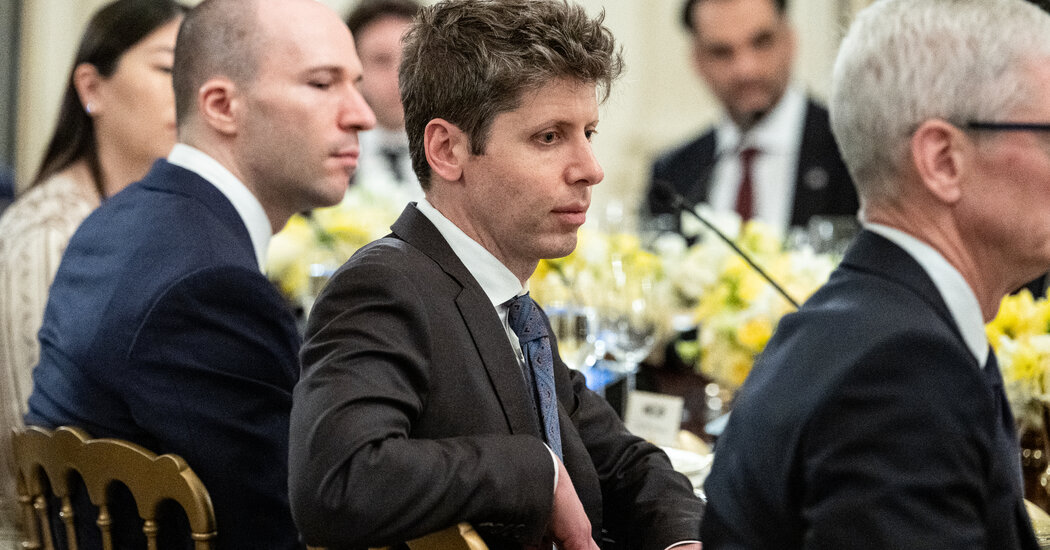
The AI coding assistant doubled its revenue run rate in three months, with large corporate buyers now accounting for roughly 60 percent of its revenue.

App data showed a dramatic consumer backlash against OpenAI's DoD partnership, with Claude briefly surpassing ChatGPT as the top U.S. App Store download.
Defense Secretary Pete Hegseth classified Anthropic as a national security supply-chain risk, banning its models from all federal agencies, while OpenAI immediately secured a classified-network deal with the Department of Defense.
Google's monthly Gemini Drop update confirms the general consumer rollout of Gemini 3.1 Pro alongside a new AI music creation tool and an upgraded fast image model for Gemini app subscribers.